

Cleaning a deck like a pro calls for dedication, attention to detail, and the right tools. An approach that goes beyond surface cleaning, focusing on maintaining not just its appearance but its health, involves systematic steps from checking for signs of decay to selecting adequate cleaning materials. Users may think it’s merely a dust-and-rinse procedure; however, professional deck cleaning encompasses pre-cleaning preparations to ensure it’s ready for the actual process. For an impressive finish, remember that every nook and cranny matters.
The essential steps for cleaning your deck like a pro include gathering necessary materials such as a broom, scrub brush, bucket, garden hose, and suitable cleaning solution. After inspecting the deck for damage, clear off debris and pre-rinse the surface before applying a deck cleaner. Finally, thoroughly rinse the deck and allow it to dry completely before considering applying a protective sealant. Remember to always follow manufacturer’s instructions for all products used on your deck.
Overview of Deck Cleaning
Keeping your deck clean isn’t just about aesthetics. It’s about maintaining its structural integrity and ensuring its longevity. Regular deck cleaning helps prevent decay, extending the lifespan of your deck and minimizing the need for costly repairs or replacements in the future. When you clean your deck properly, you’re not only removing dirt and stains but also actively preserving the wood or composite material.
Imagine taking care of a cherished piece of furniture—polishing it to prevent drying out and cracking. It’s similar to that but on a larger scale. Your outdoor decking is exposed to harsh elements like rain, snow, and direct sunlight. Regular cleaning protects it from these elements, maintaining its natural beauty over time. Moreover, if you plan on selling your house soon, a well-maintained deck can significantly enhance the curb appeal and overall value of your property.
Professional deck cleaning typically begins with a thorough inspection of the deck’s condition to identify any areas needing special attention during the cleaning process. This assessment may reveal issues such as cracks, rot, loose boards, or nails requiring replacement. By addressing these concerns during the cleaning process, you ensure that your deck remains sturdy and safe for use. For example, if there are wooden boards that appear damp or discolored, this could indicate water damage or decay. Cleaning professionals would take extra care to address these areas using specialized cleaning methods or wood treatments to prevent further deterioration.
Following the inspection phase comes the tailored cleaning process. Different types of decking materials require different care. For instance:
- Wood decks often benefit from a mild detergent wash along with gentle scrubbing to lift dirt and mold.
- Composite decks might require a specialized cleaning solution to remove tough stains without damaging the material.
This attention to detail ensures that the cleaning process is effective without causing any harm to the deck itself. Having established the importance of regular maintenance and provided an overview of the deck cleaning process, it’s evident that a clean deck isn’t just about appearances; it’s about preserving your investment and ensuring safety for everyone who uses it.
Pre-Clean Preparations
Before diving into the actual cleaning process, a few essential preparations are needed to ensure a smooth and effective cleaning session for your deck. Think of it as setting yourself up for success.
Clearing the Deck
Just like preparing to paint a canvas, you clear off your workspace first so you can give full attention to the task at hand. The same applies to cleaning your deck. Before you start, remove all furniture, plants, and decorations from the deck. This step allows for a comprehensive cleaning process. Having a clear deck ensures that every nook and cranny is thoroughly cleaned, leaving no area untouched.
Inspecting the Deck
Once your deck is cleared, it’s time to take a close look at its condition. Check for any loose boards, protruding nails, or signs of damage. It’s crucial to address these issues before starting the cleaning process to prevent accidents and ensure a smooth, uninterrupted cleaning process. A quick inspection now can save you from bigger headaches later on.
Gathering Cleaning Supplies
Now that we’ve made sure the deck is ready for a thorough clean, it’s time to gather essential cleaning supplies. You’ll need a list of key items:
- Broom: To sweep away loose debris and dirt.
- Scrub Brush: For tackling tough stains and dirt buildup.
- Bucket: To mix and hold your cleaning solution.
- Garden Hose: To pre-rinse the deck and rinse off the cleaner.
- Deck Cleaning Solution: Choose one suitable for your particular deck material.
By properly preparing your deck and having all the necessary supplies in place, you’re setting yourself up for success in the cleaning process. These preparatory steps are fundamental in ensuring that you achieve a thorough and efficient cleaning without any interruptions or oversights.
The Clean: Brushing, Scrubbing & Pressure Washing
When it comes to cleaning your deck, different areas will require different techniques. First off, let’s take care of removing debris and surface dirt.
Sweeping and Brushing
Sweeping is the first step—it’s simple but important so that you can ensure a clear and clean workspace. To start, grab a sturdy broom and begin sweeping the entire deck. Pay close attention to corners, joints, and around railings. This is where dirt tends to accumulate. Pro tip: Use a leaf blower if you have one; it can make this step faster and more effective. Once loose debris is cleared, use a stiff bristle brush to lightly scrub away any remaining dirt or grime. Make sure not to press too hard or it might scratch the surface of your deck. Your deck may have tougher stains that need closer attention. A good quality scrub brush can tackle these spots with ease, but make sure to apply gentle pressure to protect the integrity of your deck’s surface.
Pressure Washing
There may come a time when sweeping and scrubbing don’t do the trick, especially if there’s embedded dirt and grime that just won’t budge. That’s where pressure washing comes in handy—it’s like giving your deck a powerful shower! When using a pressure washer, always ensure you maintain a safe distance from the deck surface. You should also be mindful of using the correct amount of pressure for your specific deck material. Too high a pressure can damage wood decking and cause etching or splintering on composite decking. Always follow the manufacturer’s recommendations for pressure levels while cleaning. Pressure washing effectively removes stubborn dirt and prepares the deck for subsequent cleaning stages. It’s an important step that sets the foundation for achieving a thoroughly clean deck.
With sweeping, scrubbing, and potentially pressure washing covered, we’ve tackled the initial cleaning steps required to prep your deck for a sparkling finish. But there’s still more that needs addressing before we reach the finish line.
Stain Identification and Removal
Looking at your deck, it might appear as though the stains are merely a collection of brown spots. However, each type of stain must be treated differently to ensure thorough removal. Identifying whether you’re dealing with mildew, mold, or various types of stains is the first step in effectively cleaning your deck.
Mildew and mold are common culprits when it comes to deck stains. Mildew presents itself in a powdery or downy form that can be easily brushed off, while mold appears as dark spots with a fuzzy texture. It is essential to differentiate between these two, as they require different cleaning techniques. Additionally, various types of stains, like grease, oil, and algae, also have specific removal methods that should be matched with the appropriate cleaning products.
Identifying what you’re up against will guide you in selecting the right treatment so you don’t waste time or resources. By identifying the presence of mildew, mold, or specific stains, you can hone in on targeted solutions that will address the issue effectively without causing damage to your decking material. For instance, if you find mildew on your wood deck, a combination of liquid dish soap, rubbing alcohol, oxygen bleach, and water can be an effective homemade solution for treatment. On the other hand, if you’re dealing with composite decking, using a mixture of vinegar and baking soda can work wonders.
These targeted cleaning solutions not only ensure efficient stain removal but also prevent any potential deterioration of the decking material. This thoughtful approach to treating different types of stains ensures that your deck remains not only clean but also well-preserved for years to come.
Applying Cleaning Solutions
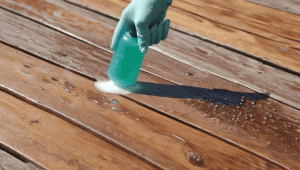
Applying the cleaning solution is where the magic happens. Whether you opt for commercial products or whip up a homemade solution, the key is to ensure its even application across the entire deck surface. This will help guarantee that every nook and cranny gets the proper treatment, ensuring a thorough clean that revitalizes the entire space.
When preparing your cleaning solution, use the instructions provided by the manufacturer as a guide for dilution. Whether you’re using a commercial product or whipping up your own blend, precise measurements are crucial to ensure it’s potent enough to tackle the grime but not so strong that it causes damage to your decking material. For example, if you have a composite deck, you could use a mixture of liquid dish soap, rubbing alcohol, oxygen bleach, and water. If it’s a wood deck, an appropriate homemade cleaning solution may include mild ingredients like vinegar and baking soda. These gentle blends effectively target dirt and stains without harming the deck material.
Once you have prepared the cleaning solution, it’s time to apply it to your deck. Ensure it’s spread out evenly, so no area is left untouched. This could be done using tools like a pump sprayer, a garden sprayer, or even a paint roller for efficient and uniform coverage. Dwell time refers to how long you allow the cleaning solution to sit on the deck before rinsing it off. This period is essential, as it gives the solution ample time to break down dirt and grime, making it easier to rinse away. Different solutions may require different dwell times, so be sure to follow the specific recommendations provided by the manufacturer or your homemade recipe—rushing this step may compromise the overall effectiveness of the cleaning process.
Ensuring an even application of cleaning solutions and allowing them adequate “dwell time” sets the stage for optimum cleanliness and rejuvenation of your deck. Following these steps will contribute significantly to restoring your deck’s appearance and preventing deep-seated staining or damage resulting from neglect.
Final Touches: Sealing and Protecting Your Deck
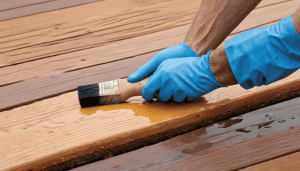
After all the hard work and thorough cleaning, ensuring your deck stays in great condition for as long as possible becomes a top priority. This means safeguarding it from the elements and potential damage. Sealing your deck can truly be a game-changer in prolonging its life.
Drying the Deck
Before you seal your deck, it’s crucial to ensure that the wood is completely dry. When moisture gets trapped under the sealant, it can lead to mold growth and decay of the wood. So, be patient and wait for a clear, dry day – preferably one with low humidity—allowing your deck to fully dry before applying any sealant.
Deck Sealing
When it comes to choosing a deck sealant, there are a few options to consider based on various factors, such as the climate in your area and the type of wood your deck is made of. Generally speaking, there are three main types: acrylic-based, polyurethane-based, and penetrating sealers. Each has its advantages, but all serve the common purpose of protecting the wood from UV rays, moisture, and general wear and tear.
Acrylic-based sealers form a thin protective layer on top of the wood. They’re quick to apply and offer good UV protection while bringing out the natural color of the wood. On the other hand, polyurethane-based sealers create a stronger protective layer that can withstand heavy foot traffic. They provide excellent water resistance but may alter the appearance of the wood, giving it a glossy finish. Finally, penetrating sealers go into the wood rather than sitting on top of it, offering superior water protection without changing the look or feel of the wood. No matter which sealer you choose, follow the application instructions closely for the best results.
To ensure optimal protection and longevity for your deck, consider professional deck cleaning products and services offered by companies like NW Surface Cleaner. Their expertise and specialized products can enhance the cleaning process and provide top-quality results that withstand time and weather exposure.